When it comes to publishing your book, the way it’s presented can be just as important as the content inside. One of the most impactful choices you can make is opting for hardcover book printing. Whether you’re a first-time author or an experienced entrepreneur using a book to grow your business, a hardcover edition speaks volumes—literally and figuratively.
Let’s unpack why hardcover books are a smart move and how to go about printing one.
What is Hardcover Book Printing?
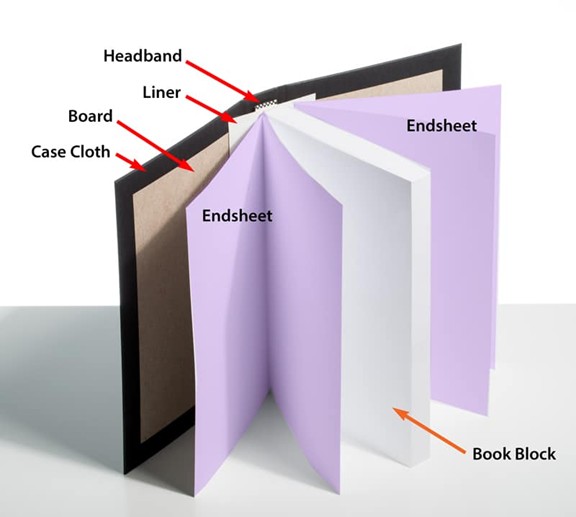
Hardcover book printing refers to the process of producing a book with a rigid protective cover, usually made of cardboard wrapped in cloth, leather, or a durable printed material. These books also typically feature high-quality binding, endpapers, and a dust jacket (optional).
Unlike paperbacks, hardcover books are built to last, making them ideal for libraries, collectors, and authors who want to make a lasting impression.
5 Reasons to Choose Hardcover Book Printing
- Professional Appearance
Hardcover books are synonymous with quality. They look impressive on bookshelves, at events, and in media kits. If you’re building a personal or professional brand, a hardcover instantly elevates your authority. - Durability & Longevity
These books are more robust, less prone to wear and tear, and ideal for long-term use—great for books you’ll use at workshops, events, or as gifts. - Higher Perceived Value
Readers often associate hardcovers with bestsellers and high-value content. That perception lets you charge a premium price and position your book as a “must-have” resource. - Gift-Ready Appeal
If you’re giving your book as a corporate gift, thank-you token, or promotional item, hardcover books add a luxurious feel that makes the gesture more meaningful. - Better for Media & PR
Journalists, podcast hosts, and TV producers often receive dozens of books—but a hardcover one stands out. It subtly communicates that you’re serious about your message and your brand.
Things to Consider Before Printing a Hardcover:
- Cost: Hardcover book printing is more expensive than paperback. However, the ROI in perceived value and brand elevation can be worth every cent.
- Minimum Orders: Many printers have a minimum quantity for hardcover runs. If you’re just starting out, consider printing a short-run or using print-on-demand services.
- Design Specs: Your cover design needs to account for spine width, dust jacket flaps (if applicable), and bleed space. Work with experienced designers who understand print-ready file requirements.
- Shipping & Weight: Hardcover books are heavier and cost more to ship. If you’re sending books internationally or in bulk, plan accordingly.
How to Get Started with Hardcover Book Printing:
- Choose the Right Printer
Work with a reputable book printer or publishing service that specialises in hardcover formats. They should offer binding options, paper quality choices, and guidance on layout. - Decide on Your Format
Will you have a dust jacket? Foil embossing? Ribbon bookmark? These features all contribute to the look and feel of your hardcover. - Proof Your Book
Before you go into bulk print mode, always get a sample copy. This ensures colours, materials, and finishes match your expectations. - Use It Strategically
Once printed, use your hardcover books at speaking engagements, expos, trade shows, and during sales meetings. They make a brilliant first impression.
Hardcover book printing isn’t just about aesthetics—it’s a strategic tool that boosts your credibility, strengthens your brand, and makes your book feel like a premium product. If you’re serious about making your mark as an author, a hardcover edition could be your smartest investment yet.
To your book writing success,
Natasa